
The incredible sacrifices women make for their families are no secret. Sacrifices that forever change their minds, bodies, and place in our society. At WIC, we are honored to get to uplift and support mothers from the moment their parenthood journey starts. This Women’s History Month, we want to highlight one of the most prevalent health struggles that affect women in the U.S.: Polycystic Ovary Syndrome.
What is PCOS?
Commonly referred to as PCOS, Polycystic Ovary Syndrome affects 7-10% of women in the US of reproductive age, making it that population’s most common hormonal disorder. PCOS’s top symptoms include starting puberty at a younger age than normal, irregular and painful menstrual cycles, weight gain, and infertility. While there is no discovered direct cause of PCOS; obesity, genetics, and a resistance to insulin are strong indicators. The hormonal imbalance of this disorder comes from the body producing more insulin than is normal, because the body is unable to use a normal insulin supply properly.
Since the daily symptoms of PCOS are largely irregularity and pain with menstrual cycles, many women live with PCOS for many years without being diagnosed. Advocacy online for this disorder has significantly increased the amount of women diagnosed with it, hearing and reading a possible name for their suffering and seeking medical advice and attention. At WIC, we want to add to this movement of empowering women to learn more about their and each other’s bodies. Talk to your doctor today if you think you may be struggling with this disorder, or encourage a friend to seek medical advice if these signs sound familiar.

Ways to Manage PCOS
While PCOS is not curable, its symptoms of hormone imbalance causing weight gain and pain can be helped greatly with a diet plan and healthy lifestyle. Focus on whole foods instead of processed, and eating plenty of fiber and protein with your meals. Pairing carbohydrates, or any food containing sugar, with proteins and healthy fats will help manage irregular insulin function.
Exercise plays a major role in regulating hormonal balance and improving insulin resistance for individuals with PCOS. Research shows that aerobic exercise—activities that increase heart rate and breathing—can improve insulin sensitivity, support hormonal balance, increase lean body mass, and help regulate menstrual cycles. Examples of aerobic exercise include jumping jacks, jump rope, walking or running, swimming, and dancing. The key is to choose activities that elevate your heart rate and are simple enough to incorporate into your daily routine, making it easier to stay consistent over time.

Recipes From Texas WIC
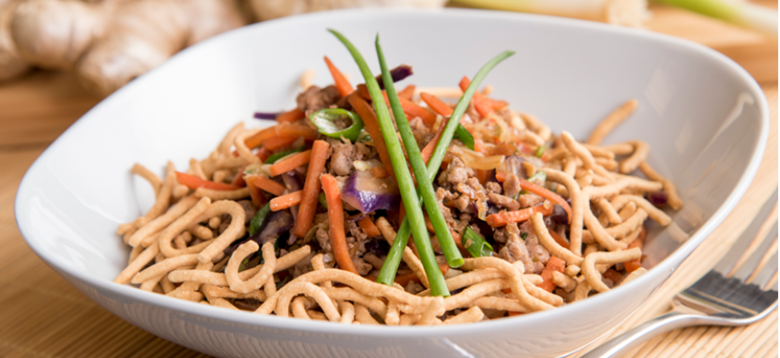
Texas WIC is an amazing resource for looking up recipes for both your health and taste preferences. For someone with PCOS, they might enjoy this recipe for an “Egg Roll in a Bowl”. It has noodles, veggies, and ground turkey, but thrown in a skillet instead of involving any rolling techniques. The carbohydrates from the noodles will keep you full between meals, which helps with weight loss. Veggies have fiber, vitamins, and minerals, and the meat helps keep your insulin in check by slowing your digestion and absorption.
You Have Support
Women with PCOS, diagnosed or not, are fighting a daily, invisible battle against pain and uncertainty for their reproductive future. WIC wants to encourage anyone going through this or any other disorder, and to let you know we can help you formulate a plan for your family meals and answer your questions. Please congratulate yourself this Women’s History Month for being an incredible example of female strength and resilience.
For more information about Polycystic Ovary Syndrome, please visit the following trusted sources, or contact your health provider if you think you may be suffering.
https://womenshealth.gov/a-z-topics/polycystic-ovary-syndrome
https://www.who.int/news-room/fact-sheets/detail/polycystic-ovary-syndrome